Ask eleven questions before you buy field-report software. Does it fill your form and land spoken readings as numbers? Does it work with no signal, draft from Spanish, flag gaps and wait for a person to sign? Where does the report go, how close is the recording, who hears it, does the trial need a card, what is a seat?
Every field-report app demos well. The question is what it does with your form, your crew and your bad days. Eleven questions, in the order the office will feel them.
Start with your form, not theirs.
The first question is whether the app fills the report you already use, with your field names, your required boxes and your fixed answer choices. A template of theirs means the office retypes every draft into yours. Bring your own report to the demo and ask to see it come back filled, field names and all.
Then listen for numbers. A tech says “delta T eighteen.” Ask whether 18 lands in the readings field as a number, or lives inside a sentence nobody can sort or total. A field that expects a number should get one.
Make it work on a bad day.
Signal drops in a basement mechanical room and behind a rooftop parapet. Ask what happens to a visit recorded with no bars at all, and whether the draft shows up once the truck is back in range. The right answer is nothing lost and nothing to redo.
If some of your crew talks through the job in Spanish, ask what language the draft comes back in. The office and the customer read English, so the report has to. Ask to see one, not to be told it works.
Ask what it does with a gap.
A tech skips a reading, forgets the after photo or never lists the parts. The right answer is a flag on the line: reading missing, after photo missing, parts not listed, nobody signed. The wrong answer is a smooth paragraph that reads as if nothing is missing, or a score that grades the tech. The app writes the report. It does not inspect the unit or grade the work.
Then ask who signs. Nothing should leave for a customer or a property manager until a named person on your side has read the draft and signed it. If the app sends on its own, keep looking.
Check where the report goes.
The office already has a way to deliver: a PDF to the property manager, an email to the customer, the record in your service software. Ask for each one by name, and ask whether a connection to your software is live or still planned. If the finished report lands somewhere the office still has to copy from, you bought a second inbox.
Ask what happens when it hears wrong.
It will hear wrong sometimes. Thirty-eight becomes thirty-five, or a serial loses a digit. The useful question is how far away the fix is. The lead should be able to change the number in the draft and play the recording behind that line in one tap. Nobody should scrub through forty minutes of audio or video to find it. If the fix means a call to the truck, the draft has not saved anyone time.
Read the trial and the fine print.
Three things to read before you hand a phone to a tech.
- Trial terms. A real trial needs no card and never turns into a charge on its own. If it asks for a card on day one, ask why.
- Who hears the recording. Which companies process the audio, where it is stored, and how long deletion takes when you ask. A straight answer fits in three lines.
- What a seat is. It should mean anyone who records in the field. The lead who reads and signs in the office should not cost a seat.
Get all three in writing. A pricing page should say them without a sales call.
Run one real job.
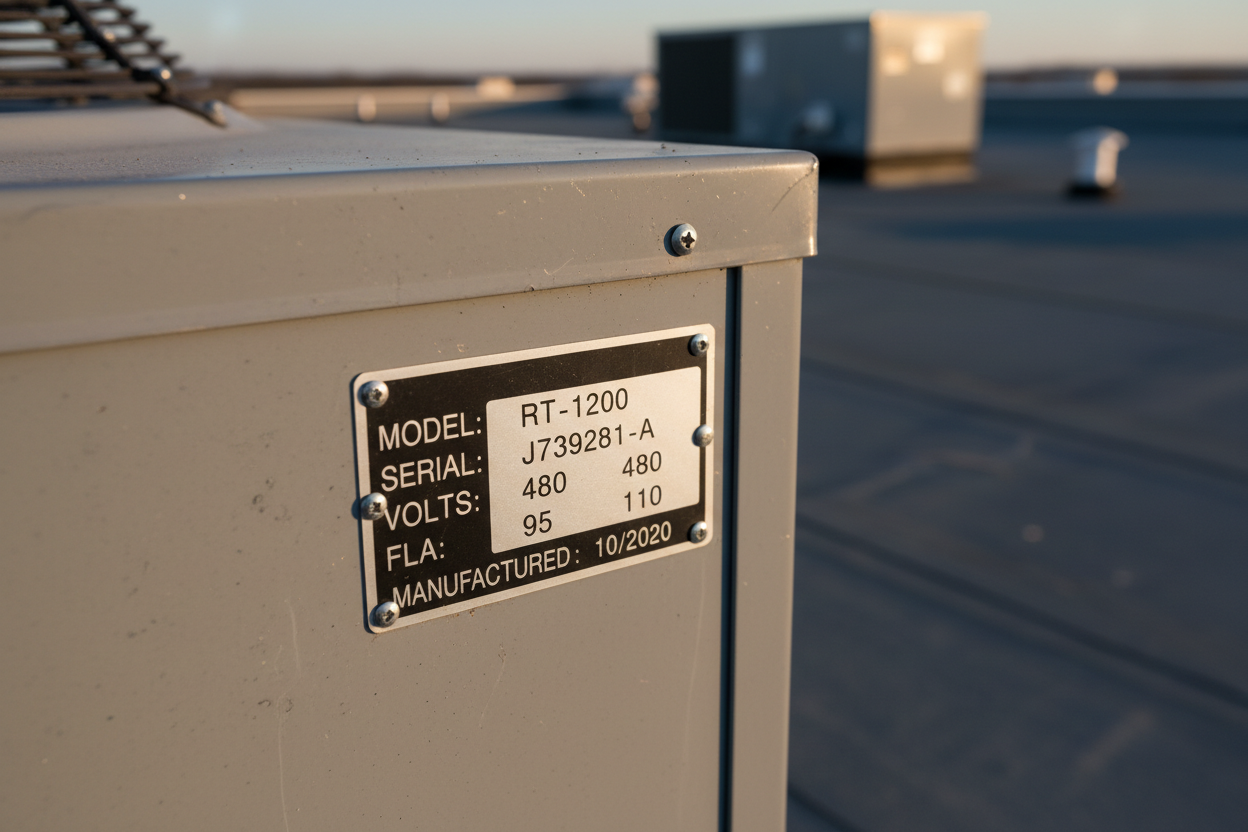
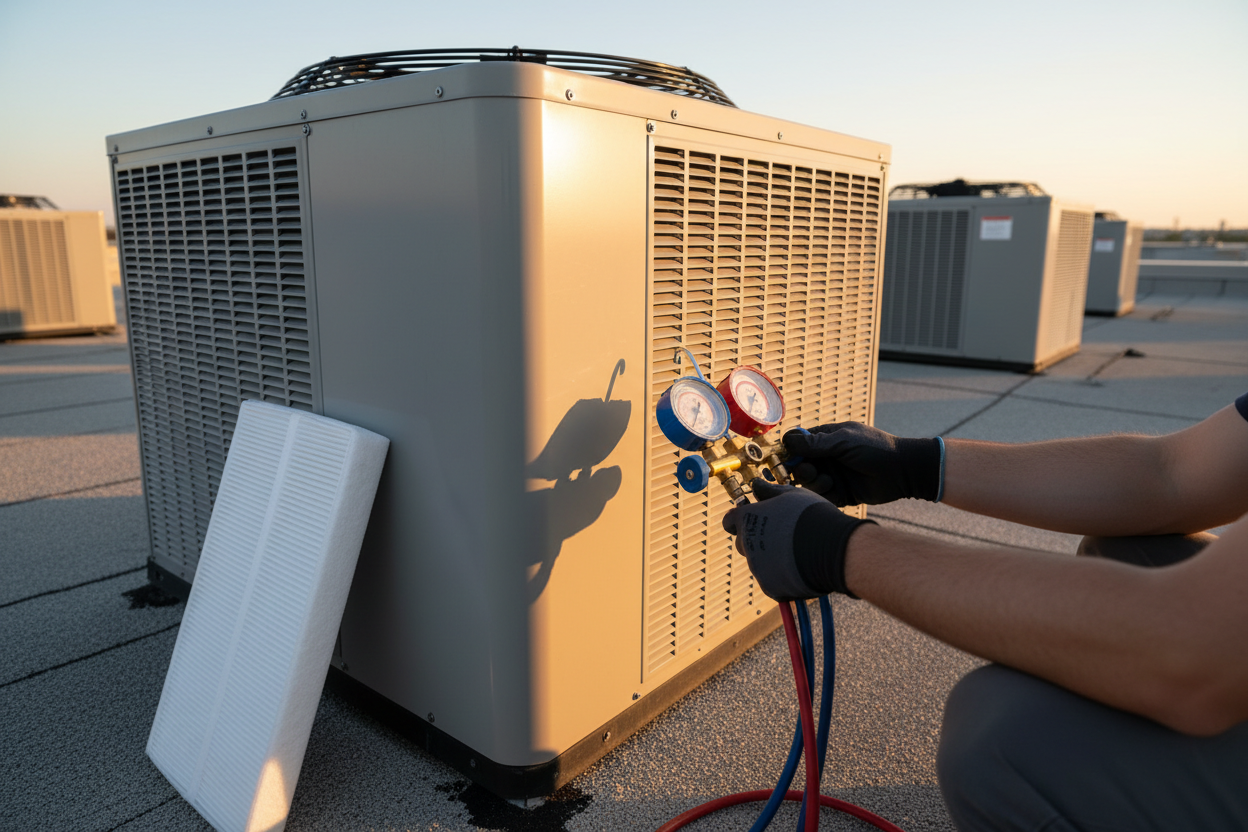
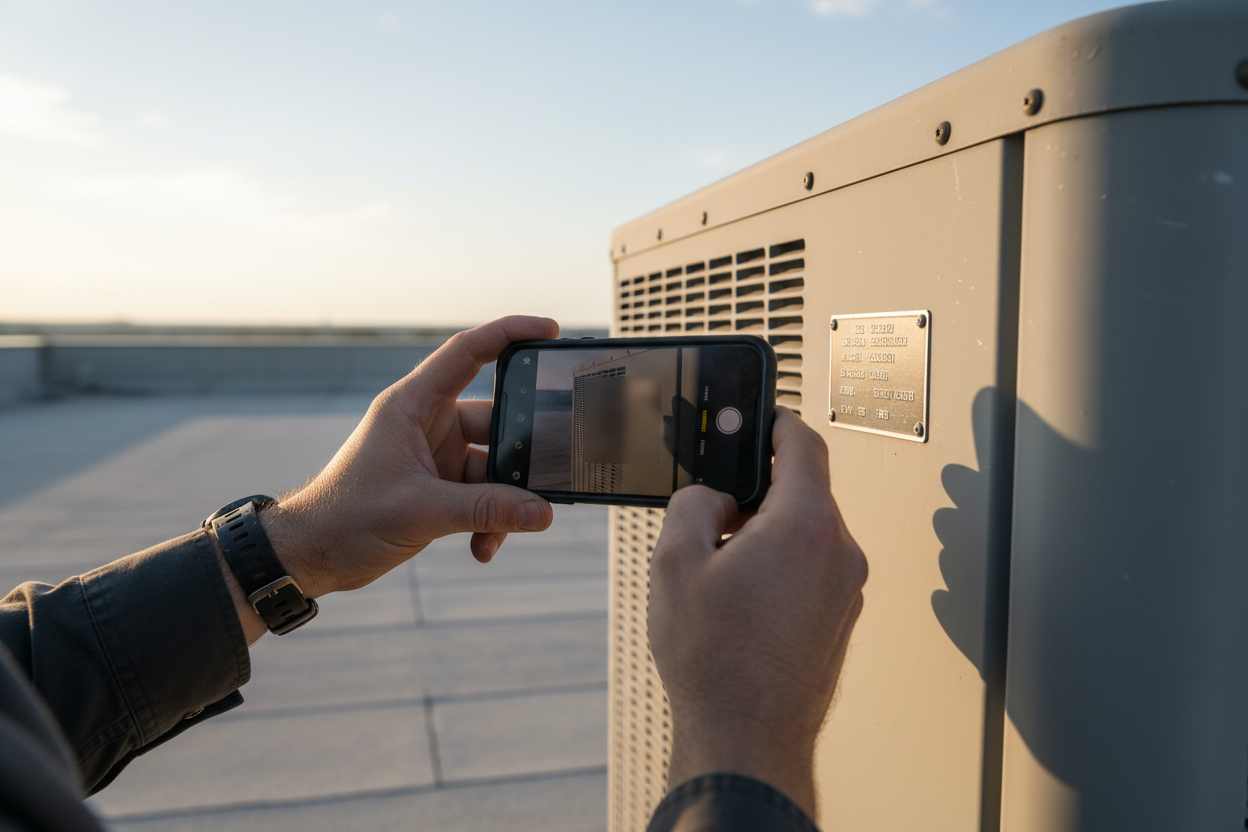
Pick a repeat visit, bring the form, and watch one draft come back. Take our fictional rooftop PM, job TF-H104. The tech shoots the nameplate on RTU-04, swaps two filters and a run capacitor, clears the drain and rinses the coil. The belt is cracked, A42, none on the truck. Ten-4 hands the lead a draft. The capacitor reading is a number, model and serial come from the nameplate, and the belt is still open with an action to order it. One open item, flagged, not hidden. That is the pass line for any app, not just ours.
Then test it on the report you already use, on a normal week, with the lead who has to sign.
Start with the report you already use.
See how a recorded visit becomes a draft. Then bring your report to our team.
See the exampleBook a 20-minute setup call